Billings, MT facts that affect your drains
| Billings fact | What it means for drains |
|---|---|
| Largest city in Montana on the Yellowstone River | Cold winters stress sewer lines. |
| Older Billings homes near downtown have clay laterals | Roots and age cause backups. |
| Semi-arid climate | Roots seek water in sewer pipe. |
Houses and pipes in Billings
The North Elevation, South Side and the neighborhoods around downtown have homes from the 1900s through the 1940s, many with basements and clay laterals.
The West End, Heights and neighborhoods near Rocky Mountain College filled in from the 1950s through the 1980s with ranches and split-levels.
West Billings and the Heights have grown rapidly since the 1990s with newer homes.
Billings sits on clay and river soils along the Yellowstone River, below the sandstone Rimrocks.
A number of homes in Lockwood and on the outskirts still run on private septic systems.
Who handles what in Billings
Billings Public Works runs the city's sewer system and wastewater treatment plant. Billings homeowners maintain the sewer service line from the house to the public main.
Drain problems Billings homes see most
| Problem | Why it happens here |
|---|---|
| Frozen pipes and service lines | Arctic cold snaps |
| Roots from cottonwoods and elms | North Elevation and South Side |
| Clay soil movement | Shrinking, swelling and frost heave |
| Basement backups | Older homes |
| Cast iron corrosion | Midcentury homes |
| Septic problems | Edge-of-town properties |
Billings drains through the year
Spring snowmelt and rain raise the Yellowstone and groundwater, and hot, dry summers drive roots toward water.
Winter arctic outbreaks can drop temperatures to thirty below, freezing pipes and shallow service lines.
What drain cleaning costs in Billings
| Job | Typical range |
|---|---|
| Sink, tub or toilet cleared | $130–$270 |
| Main line cleared from a cleanout | $195–$440 |
| Root cutting | $255–$590 |
| Hydro jetting | $335–$805 |
| Sewer camera inspection | $135–$280 |
| Frozen line thawing | $210–$540 |
Newer west side homes clear quickly. Lines frozen during an arctic blast and old North Elevation clay under cottonwoods take longer.
Before the plumber arrives
- 1
Pause water use
Stop the washer and dishwasher, then showers.
- 2
Arctic blast?
If drains stopped after a subzero night, the line may be frozen.
- 3
Sewer or septic?
Some homes outside city limits use septic; tell the plumber.
- 4
Find the cleanout
Older Billings basements usually have it near the front wall.
Railroad town
Billings was founded by the Northern Pacific Railway in 1882 and grew as a hub for ranching, farming, oil refining and later medicine. The North Elevation and South Side neighborhoods have homes from the early 1900s, many with full basements and clay laterals under big trees.
Cottonwoods
Cottonwoods grow along the Yellowstone River and in older yards across Billings, and their roots are aggressive and far-reaching. In dry summers they hunt for water, and old clay laterals are easy targets. Root cutting clears the line, and lining stops the problem.
Arctic outbreaks
Billings can swing from mild chinook days to thirty below when arctic air pours down from Canada. Bare, plowed driveways let the frost reach far down toward the service line, and garage laundries and porch plumbing ice up well before that. A frozen service line needs steam thawing.
Clay and frost heave
Billings' clay soils swell when wet, shrink when dry and heave when frozen. Over many winters, that movement shifts sewer laterals and cracks joints.
A typical Billings call
In February, after an arctic blast, a family in a 1920s home on the North Elevation finds the basement floor drain backing up. The plumber thaws a frozen section of the service line under the driveway, then finds cottonwood roots at a cracked joint farther out. A liner is planned for spring.
The West End and Heights
The West End and the Heights, across the river, filled in from the 1950s onward with ranches and split-levels. Cast iron and clay from the earlier decades are aging, and many basements are finished.
Rimrocks and the river
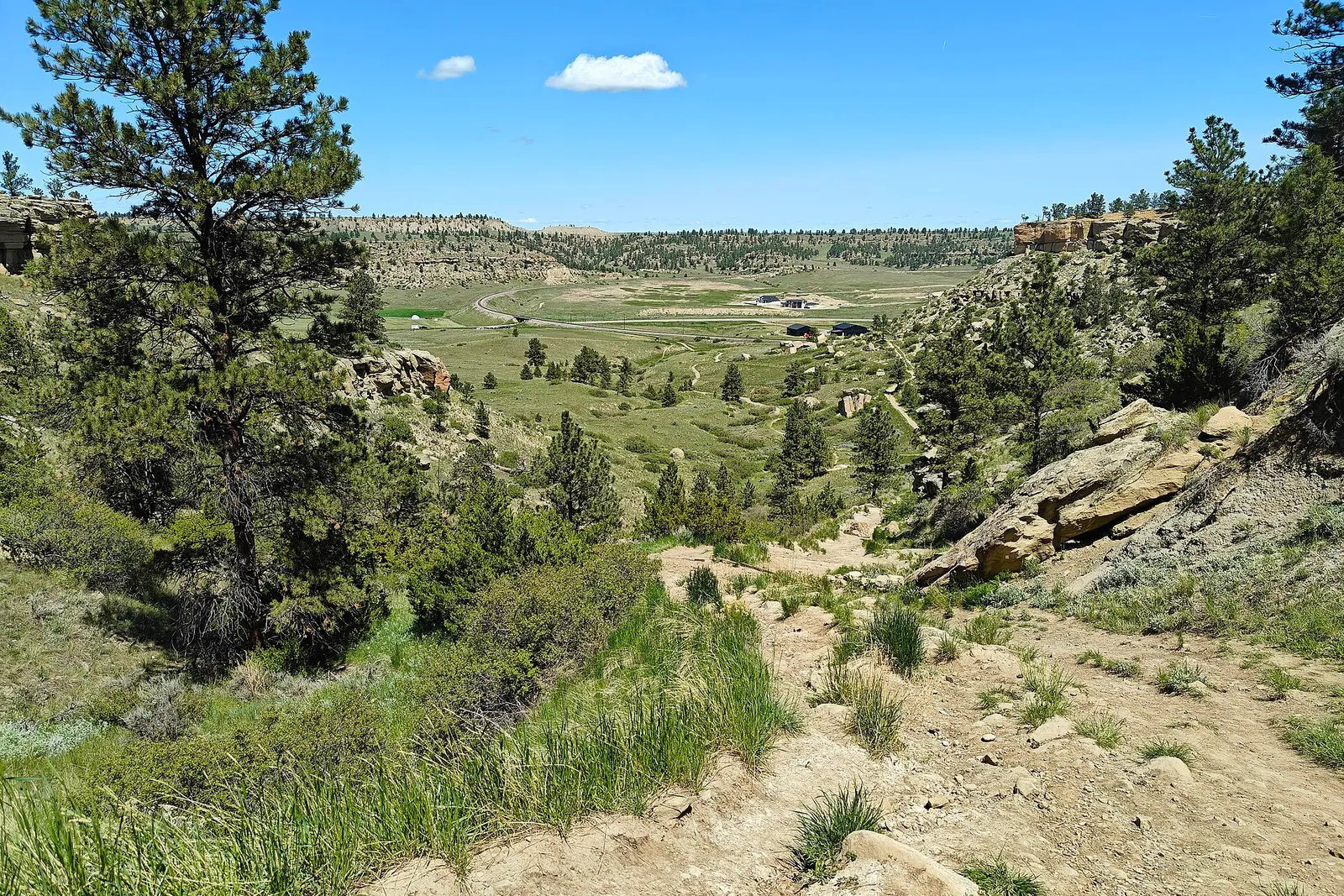
Billings sits between the sandstone Rimrocks and the Yellowstone River. Neighborhoods near the river have higher groundwater in spring, and cracked laterals take in water. Homes near the Rims sit on sloping, rocky ground.
Septic on the edges
Some properties outside city limits, especially in Lockwood and the outskirts, use septic systems. A full tank or frozen drain field can slow every drain in the house.
Restaurants downtown
Downtown Billings has a growing restaurant and brewery scene in older buildings. Kitchens there keep grease traps pumped to stay open.
Montana Avenue's breweries and the restaurants near the old depot occupy some of the oldest commercial buildings in the city.
Medical workers and shifts
Billings Clinic and St. Vincent Healthcare employ many residents on shifts. Water use at all hours can bring a partly blocked line to a full backup at inconvenient times.
The North Elevation
The North Elevation, between downtown and the Rimrocks, is Billings's largest historic neighborhood, with bungalows, foursquares and Victorian homes built for railroad workers, merchants and early doctors. Many sit on sloping lots with full basements and long clay laterals running downhill to the street under elms and cottonwoods. Roots and joints shifted by frost heave are the most common findings. Lining protects mature trees and old stone retaining walls.
The South Side
The South Side, across the tracks from downtown, was home to railroad and refinery workers and to Billings's Mexican American, German-Russian and other immigrant families. Small frame homes there sit near the Yellowstone on lower ground with higher groundwater, and old clay laterals take in water and roots. Some homes have no outside cleanout, and adding one makes future service easier.
Chinooks and freeze-thaw
Billings winters can swing from below zero to the fifties in a day when a chinook wind arrives. Those rapid freeze-thaw cycles heave and settle the clay over and over, working joints loose in old pipe. Snowmelt during a chinook also soaks into the ground fast, and cracked laterals take in water right when the ground is still partly frozen.
Basements and backwater valves
Most older Billings homes have full basements, many finished over the years into bedrooms and family rooms. The basement floor drain is the lowest opening in the house, so it's where a backup appears. A backwater valve on the main line and a camera check on an older lateral protect those finished spaces.
Garage laundries
Many midcentury Billings ranches put the washer in an attached garage, with its drain running through an outside wall. During an arctic outbreak, that line is often the first in the house to freeze solid. A small heater, a closed garage door and insulation on the line usually prevent it.
Refineries and shift work
Billings has three oil refineries and a sugar beet factory, and many households work rotating shifts. Laundry and showers happen at all hours, and a partially blocked line can overflow in the middle of the night.
When you call
Tell the plumber the neighborhood, roughly when the house was built, how the basement is finished and how cold it has been. Mention cottonwoods or big trees near the line.
Billings ZIP codes
- 59101
- 59102
- 59105
- 59106
Billings drain questions
Who handles sewer in Billings?+
Billings Public Works. The homeowner maintains the service line to the main.
Do sewer lines freeze in Billings?+
They can during arctic outbreaks, especially shallow lines under plowed driveways.
Why do older homes have root clogs?+
Cottonwoods and elms in older neighborhoods send roots far for water, and old clay laterals let them in.
Should Billings buyers get a sewer scope?+
Yes, especially for homes built before 1970.