Honolulu, HI facts that affect your drains
| Honolulu fact | What it means for drains |
|---|---|
| Capital of Hawaii on Oahu | Salty, humid air corrodes metal pipe faster. |
| Older homes in Kaimuki and Manoa have aging cast iron and clay lines | Corrosion and roots cause failures. |
| Heavy rain events in winter | Rain can infiltrate cracked laterals. |
Houses and pipes in Honolulu
Mānoa, Makiki, Kaimukī, Kalihi and Pālolo have single-family homes from the 1920s through the 1960s, many on posts or low foundations, with clay or cast iron laterals.
Plantation-style cottages and older homes in neighborhoods like Kalihi, Kaimukī and Moʻiliʻili have been added onto over decades, often with complicated plumbing.
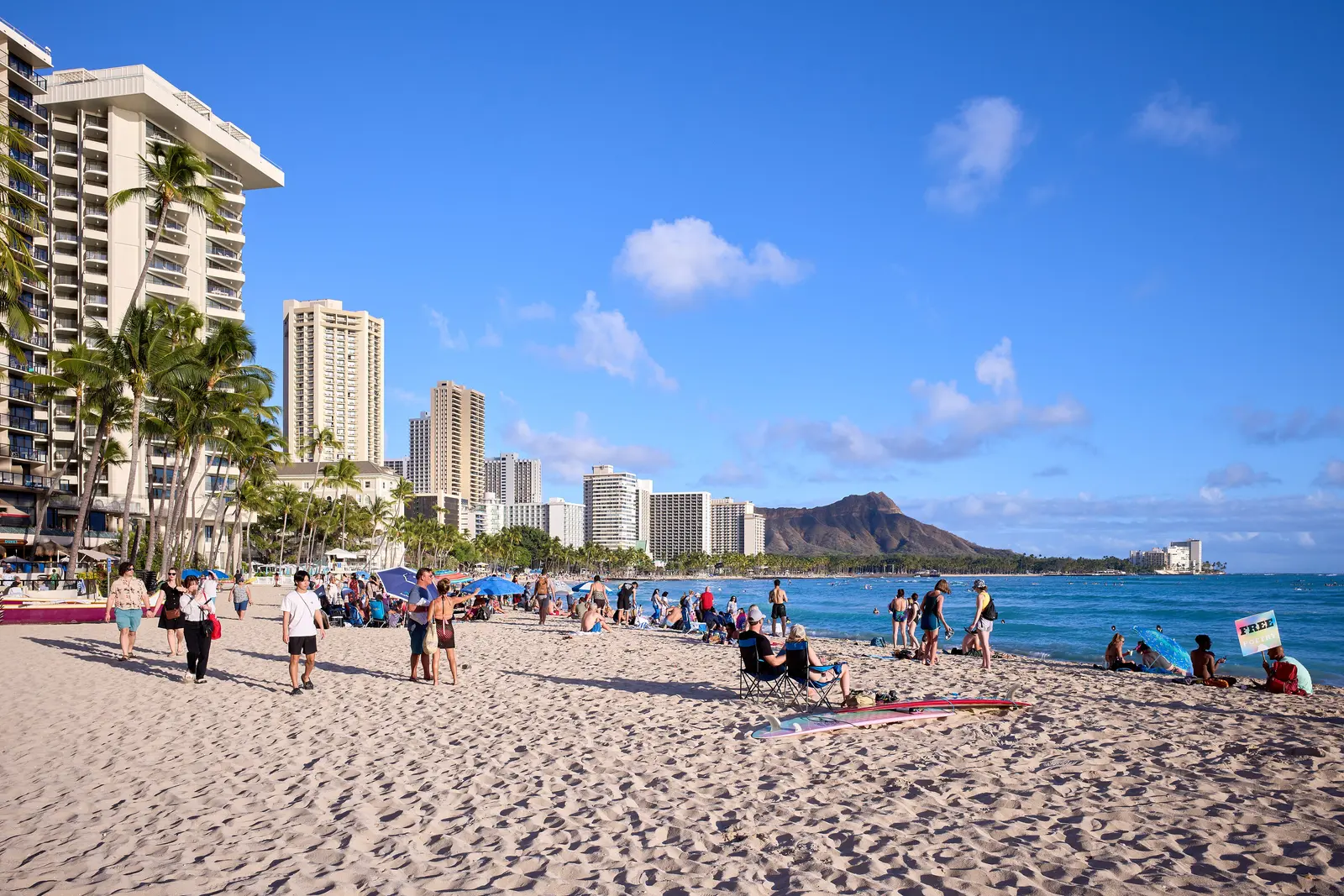
Waikīkī, Ala Moana, Kakaʻako and downtown have hundreds of high-rise condos and apartment buildings from the 1960s onward.
East Honolulu, including Hawaiʻi Kai and ʻĀina Haina, filled in from the 1960s through the 1980s with homes on hillsides and near the water.
Much of urban Honolulu sits on coral, sand and fill near sea level, with high groundwater near the coast.
Who handles what in Honolulu
The City and County of Honolulu's Department of Environmental Services runs the sewer system and treatment plants on Oʻahu. Property owners maintain the private sewer lateral up to the city connection.
Drain problems Honolulu homes see most
| Problem | Why it happens here |
|---|---|
| Roots from tropical trees | Mānoa, Makiki and Kaimukī |
| Cast iron corrosion | Older homes and condos in salt air |
| High groundwater and settling | Coastal and low areas |
| Shared condo stacks | High-rise buildings |
| Heavy rain infiltration | Windward storms and Kona lows |
| Grease and wipes | Busy kitchens and vacation rentals |
Honolulu drains through the year
Winter Kona storms and heavy rains, especially from October through April, flood streets and push water into cracked laterals. Tropical roots grow year-round.
There's no freezing to worry about, but salt air and humidity corrode metal pipe faster than on the mainland.
What drain cleaning costs in Honolulu
| Job | Typical range |
|---|---|
| Sink, tub or toilet cleared | $175–$360 |
| Main line cleared from a cleanout | $265–$585 |
| Root cutting | $345–$765 |
| Hydro jetting | $460–$1,065 |
| Sewer camera inspection | $190–$380 |
| Condo stack jetting | $500–$1,400 |
Newer homes with accessible cleanouts go fastest. Older Mānoa and Kaimukī homes with roots, hillside laterals and high-rise stacks take longer.
Before the plumber arrives
- 1
Stop the water
Pause laundry, dishes and showers.
- 2
Condo?
Contact your building manager or AOAO first; stacks and shared lines are usually the association's responsibility.
- 3
Vacation rental?
Tell guests to hold off on the toilets and showers; visitors are the most common source of wipes in Honolulu lines.
- 4
Find the cleanout
Older homes often have one near the front of the house or along the side yard.
Valleys and hillsides
Mānoa, Pālolo, Nuʻuanu and Makiki climb into the valleys and ridges of the Koʻolau Mountains, and homes there sit on sloping lots with long laterals. Mānoa gets a lot of rain, and the soil stays moist year-round. Tropical trees like mango, avocado and monkeypod grow fast, and their roots find old clay and cast iron joints. Root cutting clears the line, and lining provides a lasting fix.
Older homes and add-ons
Many older Honolulu homes, especially in Kaimukī, Kalihi and Moʻiliʻili, have been expanded over decades to house extended families, with ohana units, extra bathrooms and kitchens added on. New fixtures are often tied into old laterals, and the plumbing can be complicated. A camera inspection helps map what's really underground.
High-rise condos
Waikīkī, Ala Moana, Kakaʻako and downtown have hundreds of high-rise buildings, many from the 1960s and 1970s with cast iron stacks. Salt air and decades of use corrode those stacks, and grease from many kitchens builds up in shared lines. Lower-floor units get the backup when a stack clogs. Associations that schedule regular stack jetting and inspection avoid many emergencies, and some buildings have undertaken major stack replacement projects.
Coastal groundwater
Near the shore, much of Honolulu sits on coral, sand and fill just a few feet above sea level. Groundwater rises with tides and heavy rain, and cracked laterals take in water. Sandy soil can also settle, letting lines sag.
A typical Honolulu call
During a January Kona storm, a family in a 1950s home in Kaimukī notices the shower filling with gray water when the washer drains. The plumber opens the cleanout along the side yard and clears roots from a big mango tree about twenty-five feet out. The camera shows split clay with rainwater trickling in through the gaps. They plan a liner.
Heavy rain
Honolulu can get sudden, intense rain, especially during winter Kona lows that bring storms from the south. Streets and streams flood quickly, and storm water seeps into cracked laterals and overloads sewers. The city has worked for years to reduce sewer spills, but heavy rain still stresses the system.
Salt air and corrosion
Honolulu's salt air and humidity are hard on metal pipe. Cast iron and galvanized drains corrode faster than they would on the mainland, both inside and out. Homes and buildings from the 1950s through the 1970s often show heavy corrosion on camera.
Vacation rentals
Despite strict rules, Honolulu has many legal and illegal short-term rentals, and visitors flush wipes and other items. Owners who post signs and jet lines regularly avoid many emergencies.
Restaurants and plate lunches
Honolulu's restaurants, from Waikīkī's hotels to plate lunch spots, Chinatown's dim sum houses and Kakaʻako's newer dining scene, produce a lot of grease. Kitchens stay open by keeping interceptors pumped on schedule.
East Honolulu
Hawaiʻi Kai, ʻĀina Haina and Niu Valley filled in from the 1960s through the 1980s, many near the marina or on hillsides. Lines near the water deal with high groundwater, and hillside homes have long, sloped laterals.
Some homes in the marina area sit on fill, and settling around the pipe can create sags that hold water and collect debris.
Multigenerational households
Many Honolulu homes house extended families, with several generations under one roof. More people means more cooking, laundry and showers through a single lateral. Rice, grease and wipes are common culprits in clogs.
Access and costs
Honolulu's high cost of living, tight lots and steep hillside streets make plumbing work more expensive than on most of the mainland. Trenchless repairs avoid digging up small yards and driveways.
Kalihi and the older working neighborhoods
Kalihi, Kapālama and the neighborhoods west of downtown were home to plantation and harbor workers and their families for generations, and many houses there were built in stages as families grew. Small lots, add-on units and shared walls mean laterals can run in unexpected directions and sometimes serve more than one dwelling. Old clay and cast iron lines with roots from breadfruit, mango and plumeria trees are common.
When you call
Share the neighborhood, whether it's a single-family home or condo, the building's age and whether there's an ohana unit or extra bathrooms. Point out any mango, monkeypod or banyan trees near the line, and say whether a Kona storm came first.
Honolulu ZIP codes
- 96813
- 96814
- 96815
- 96816
- 96817
- 96818
- 96819
- 96820
- 96821
- 96822
- 96825
- 96826
- 96848
- 96850
Honolulu drain questions
Who handles sewer in Honolulu?+
The City and County of Honolulu's Department of Environmental Services. Property owners maintain the private lateral.
Who fixes a clogged stack in a condo building?+
Usually the association of apartment owners, since stacks and shared lines are common elements. Check your building's rules.
Why do older Honolulu homes have root problems?+
Mango, monkeypod, banyan and other tropical trees grow fast year-round and send roots into old clay and cast iron joints.
Does salt air affect drains?+
Yes. Cast iron and galvanized pipe corrode faster in Honolulu's salt air and humidity.