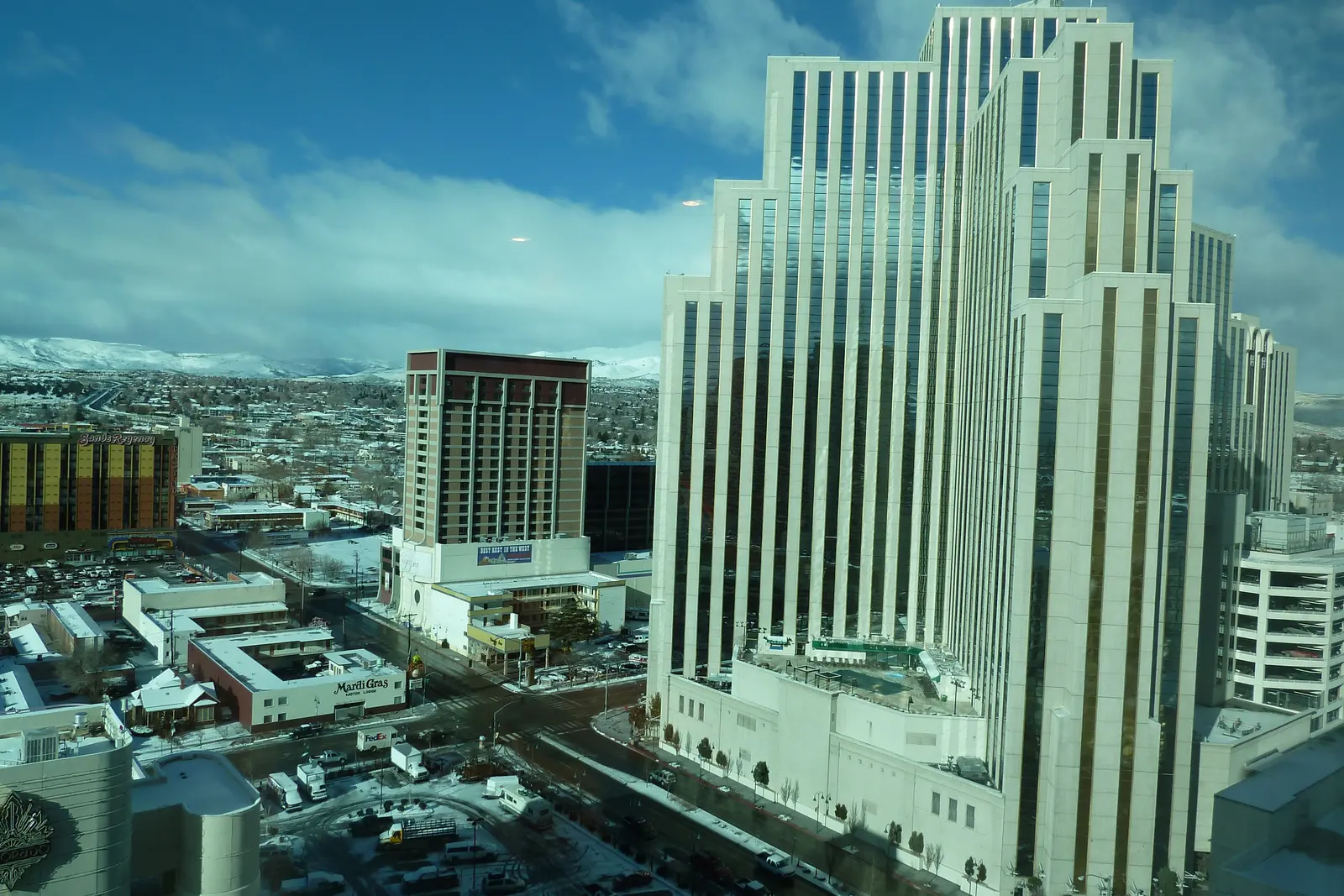
Reno, NV facts that affect your drains
| Reno fact | What it means for drains |
|---|---|
| Washoe County city on the Truckee River at about 4,500 feet | Freeze-thaw cycles stress older laterals. |
| Older Reno homes in the Old Southwest have clay laterals | Roots and age cause failures. |
| Truckee River water | Water is relatively soft. |
Houses and pipes in Reno
Old Southwest Reno, the Newlands neighborhood and the blocks near downtown have homes from the 1900s through the 1940s, many with basements or crawlspaces and clay laterals.
The University of Nevada, Reno area and the old Northeast have homes from the 1920s through the 1950s, many now student rentals.
Neighborhoods built from the 1950s through the 1970s in Southwest Reno, the Northwest and around Kietzke Lane have ranches with cast iron and clay.
South Meadows, Double Diamond, Somersett, Damonte Ranch and the North Valleys were built from the 1990s onward with PVC.
Reno sits at about 4,500 feet, with cold winters, hot dry summers and the Truckee River flowing through downtown.
Who handles what in Reno
The City of Reno maintains its sewer collection system, and the Truckee Meadows Water Reclamation Facility, shared with Sparks, treats the wastewater. Reno homeowners own the lateral from the house to the public sewer.
Drain problems Reno homes see most
| Problem | Why it happens here |
|---|---|
| Roots in clay laterals | Old Southwest and Newlands |
| Heavy use in student rentals | Near UNR |
| Frozen drains | High desert winter nights |
| Cast iron corrosion | 1950s through 1970s homes |
| Grease and wipes | Busy households and short-term rentals |
| River flooding | Low areas near the Truckee |
Reno drains through the year
Spring snowmelt raises the Truckee and groundwater, and summer heat sends roots searching for water.
Winter nights regularly drop into the teens, freezing drains in garages, crawlspaces and exterior walls.
What drain cleaning costs in Reno
| Job | Typical range |
|---|---|
| Sink, tub or toilet cleared | $135–$280 |
| Main line cleared from a cleanout | $205–$455 |
| Root cutting | $265–$605 |
| Hydro jetting | $345–$830 |
| Sewer camera inspection | $140–$285 |
| Frozen line thawing | $190–$480 |
Newer south Reno PVC goes fast. Old clay under big cottonwoods, frozen lines and crowded student houses take longer.
Before the plumber arrives
- 1
Stop the water
Pause laundry, the dishwasher and showers.
- 2
Below freezing?
If drains stopped on a frigid morning, the line may be frozen rather than clogged.
- 3
Student house?
Call your landlord or property manager first.
- 4
Find the cleanout
Older homes often have one in the basement or crawlspace; newer ones have it outside by the front.
Old Southwest and Newlands
Old Southwest Reno and the Newlands neighborhood, along the Truckee west of downtown, have Craftsman, Tudor and Spanish Revival homes from the early 1900s through the 1940s. Big cottonwoods, elms and maples shade the streets, and their roots have filled many clay laterals. Lining protects the old trees and yards.
Around UNR
The neighborhoods around the University of Nevada, Reno, north of downtown, have many older homes rented to students. Several tenants push heavy loads through old clay or cast iron lines. Landlords who jet lines each summer avoid many fall emergencies.
High desert winters
Reno's elevation means cold winters. Nighttime temperatures often fall into the teens and occasionally below zero. Pipes in garages, crawlspaces and exterior walls freeze first, and a shallow lateral can freeze where it passes under a driveway. Keep garage doors closed, insulate exposed pipe and let faucets drip on the coldest nights.
The Truckee River
The Truckee River flows from Lake Tahoe through downtown Reno, and major floods, like those in 1997 and 2017, have inundated low neighborhoods. Spring snowmelt raises groundwater near the river, and cracked laterals take in water.
A typical Reno call
In June, a family in a 1930s home in Old Southwest sees the basement floor drain overflow while the washer runs. The plumber opens the cleanout and clears thick roots from a huge cottonwood about forty feet out. The camera shows cracked clay. They line the lateral rather than dig near the tree.
Midcentury neighborhoods
Neighborhoods built from the 1950s through the 1970s in Southwest Reno and the Northwest have ranches with cast iron and clay laterals now showing their age. Scale and roots are common.
Newer growth
South Meadows, Damonte Ranch, Somersett and the North Valleys have grown rapidly since the 1990s, with PVC drains. Calls there are mostly about grease, wipes and the occasional frozen line in a garage.
Casinos and restaurants
Downtown Reno's casinos, Midtown's restaurants and the busy corridors along Virginia Street and Kietzke Lane put a lot of grease into the sewers. Kitchens stay open by keeping interceptors pumped on a short cycle.
Short-term rentals
Reno's proximity to Lake Tahoe and its events, like Hot August Nights and the Great Reno Balloon Race, keep short-term rentals busy. Guests flush wipes and other items that clog lines. Rental owners who post signs and jet lines between peak seasons avoid emergency calls.
Dry summers and roots
Reno's summers are hot and very dry. Irrigated trees send roots far looking for water, and a cracked joint in a clay lateral is an easy target. Root cutting in late spring can head off midsummer backups.
Homes that switched to drought-tolerant landscaping sometimes see a burst of root trouble a year or two later, as trees that lost their lawn irrigation go looking for water elsewhere.
Midtown
Midtown Reno, south of downtown along Virginia Street, has been transformed into a district of restaurants, bars and shops in older buildings, with older homes on the side streets. Old clay and cast iron lines there handle a lot more traffic than they used to.
Basements in the high desert
Unlike Las Vegas, Reno has a fair number of older homes with basements or partial basements, especially in Old Southwest, Newlands and the neighborhoods near the university. The basement floor drain or laundry sink is the lowest point in the plumbing, and when the lateral slows, gray water shows up there first. Some of these basements were finished decades ago, with carpet over the floor drain or paneling hiding the cleanout. Knowing where those openings are before an emergency saves a lot of time and damage.
Sparks, Sun Valley and the North Valleys
Reno's growth has spilled north into the North Valleys, including Lemmon Valley, Cold Springs and Stead, where many newer homes sit on PVC lines but some older properties still use septic. Lemmon Valley saw serious flooding in 2017 when Swan Lake rose and stayed high for months, overwhelming septic systems and stressing sewers. If your home is in one of these areas, tell the plumber whether you're on sewer or septic.
Ice in the garage
Many Reno homes have a laundry or utility sink in an attached garage, and that drain line often runs through an exterior wall or under the garage slab close to the surface. On a January night in the low teens, it is usually the first drain in the house to freeze. A small heater in the garage during cold snaps, or rerouting the line inside the heated envelope of the house, ends the problem for good.
When you call
Share your neighborhood and the home's age, whether it has a basement or crawlspace, whether it's a rental and whether it's below freezing. Mention big trees near the line.
Reno ZIP codes
- 89439
- 89501
- 89502
- 89503
- 89506
- 89508
- 89509
- 89510
- 89511
- 89512
- 89519
- 89521
- 89523
- 89557
Reno drain questions
Who handles sewer in Reno?+
The City of Reno maintains the collection system, and the shared Truckee Meadows plant treats wastewater. Your lateral is yours.
Do drains freeze in Reno?+
Yes. Winter nights often fall into the teens, and pipes in garages, crawlspaces and exterior walls can freeze.
Why do Old Southwest homes have root clogs?+
Their clay laterals are often close to a century old and run under very large trees.
Should I get a camera inspection before buying in Reno?+
Yes, especially for homes built before 1970.